UNESCO World Heritage Site

Koutammakou Cultural Landscape
Togo's crown jewel - a living testament to traditional African architecture and sustainable living practices maintained for over 500 years.
Takienta Tower Houses
Unique family homes with several uses, including living areas, storage spaces, animal shelters, and places for spiritual activities, all built in a vertical (tower-like) design.
Sustainable Practices
Construction techniques using entirely local materials, including clay, wood, and thatch, demonstrate sustainable building practices proven over centuries.
Living Culture
The Batammariba people continue traditional governance systems, agricultural techniques, spiritual ceremonies, and social customs.
Visitor Experience
Guided tours include construction demonstrations, cultural explanations, and opportunities to participate in traditional activities.
Cultural & Historical Attractions

Palais de Lomé
Iconic Cultural Landmark of Lomé
Lome's premier cultural centre, recently established as a top-tier cultural institution, is the former colonial governor's palace, now transformed into a world-class park and museum.
- Contemporary Art: Houses revolving exhibitions of West African artists.
- Botanical Garden: A massive 26-hectare park featuring indigenous Togolese flora and sculpture trails.

National Museum of Togo
Lomé's premier cultural institution
Large collections showcase Togo's ethnic groups through traditional clothing, masks, sculptures, musical instruments, and ceremonial objects.
Highlights:
- Ethnographic collections from all ethnic groups
- Historical exhibits from ancient kingdoms to independence
- Traditional and contemporary Togolese art
- Archaeological artefacts and colonial-era documents

Agbodrafo & the Slave Route
45km east of Lomé
One of West Africa's most significant historical sites related to the Atlantic slave trade, serving as a major departure point for enslaved Africans, is located approximately 45 km east of Lomé.
Key Sites:
- House of Slaves (Maison des Esclaves) museum
- Point of No Return monument
- Traditional ceremonies and cultural performances
- Educational programmes about diaspora heritage
Natural Attractions & National Parks

Fazao-Malfakassa National Park
Togo's largest protected area covers 1,920 square kilometres of diverse ecosystems and remarkable biodiversity.
Wildlife
- Forest elephants (flagship species)
- Various antelope species
- Forest buffalo and primates
- Over 200 bird species
Ecosystems
- Tropical forests
- Savanna grasslands
- Mountainous regions
- River systems
- Wildlife Viewing Guided tours and hiking expeditions offer excellent opportunities to encounter forest elephants and a wide range of wildlife.
- Bird Watching Over 200 recorded species including hornbills, kingfishers, bee-eaters, and numerous colourful forest species.
- Ecotourism Conservation success story with recovered elephant populations and sustainable tourism practices.
Urban Attractions in Lomé
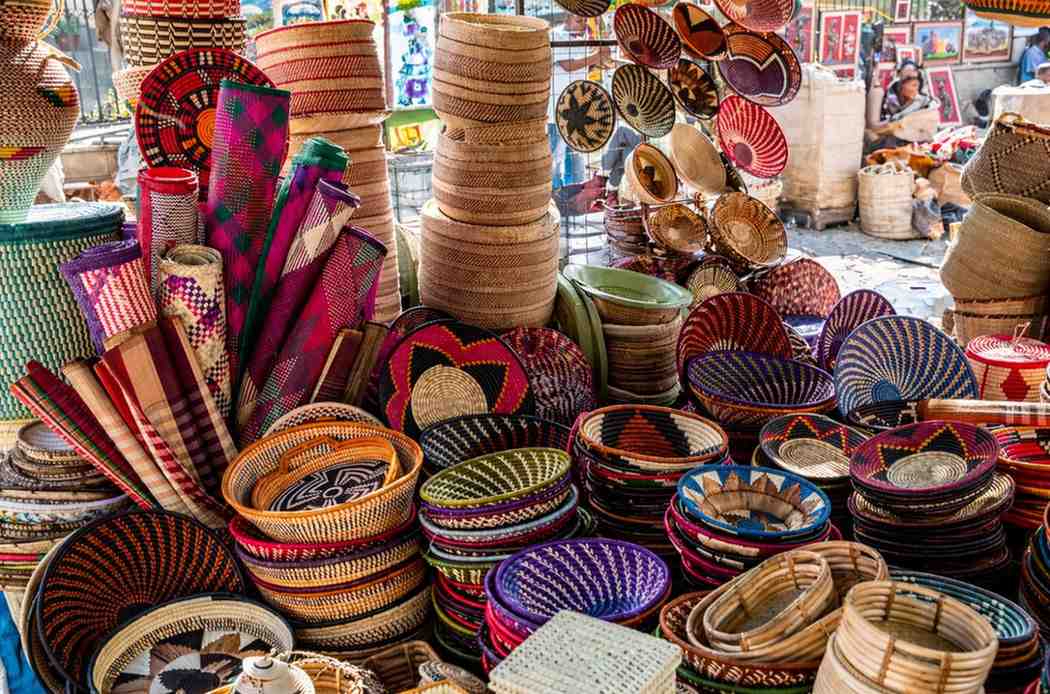
Grand Marché
West Africa's most vibrant market
Experience the energy of local commerce whilst shopping for traditional textiles, crafts, spices, and local products in this maze of colourful stalls.
What to Find:
- Traditional kente cloth and textiles
- Local crafts and artwork
- Spices and local food products
- Authentic cultural experiences
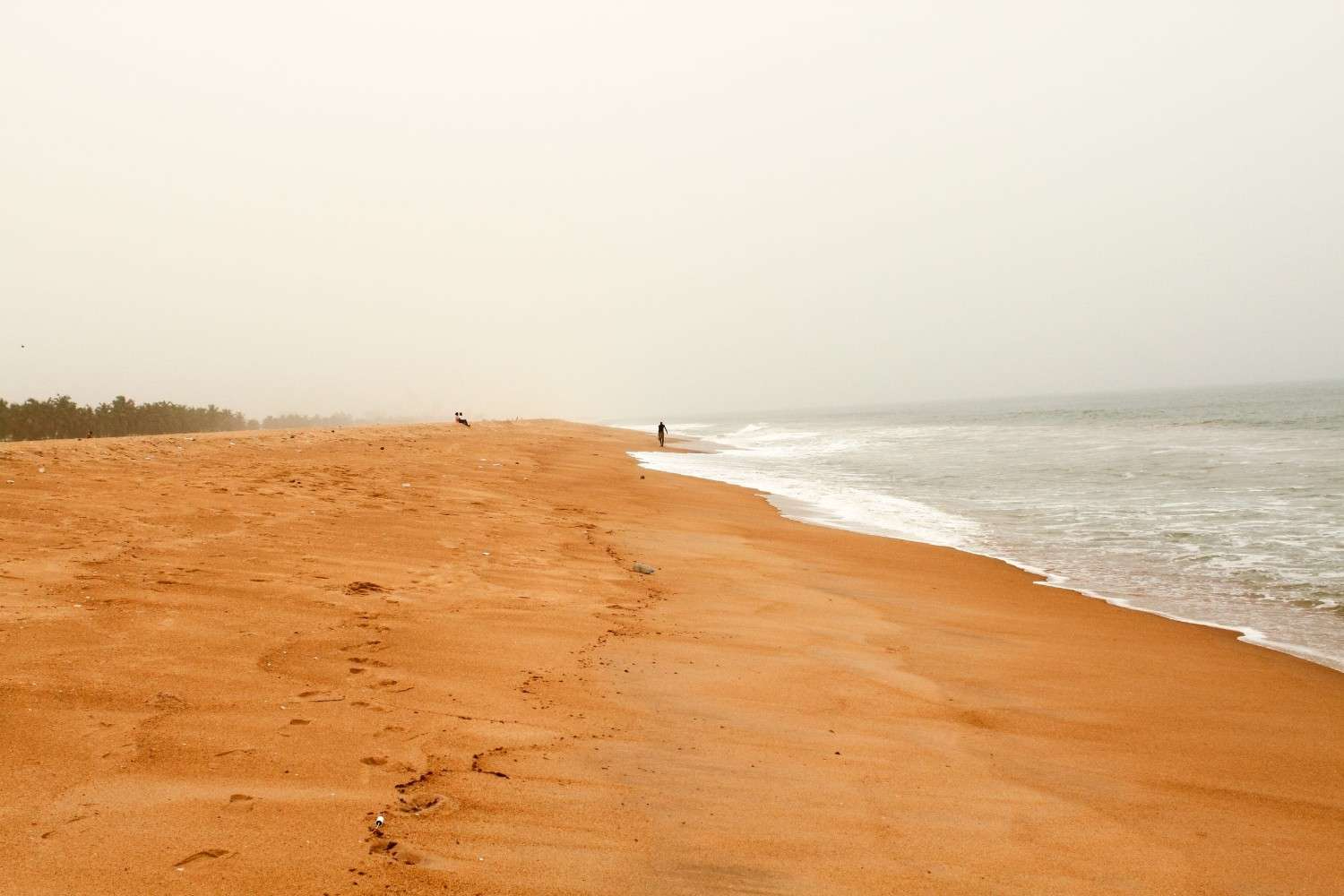
Lomé Beach
Atlantic Ocean relaxation
Beautiful coastal area offering swimming, sunbathing, and water sports, with restaurants, bars, and entertainment venues for evening activities.
Activities:
- Swimming and water sports
- Beachside dining and bars
- Evening entertainment and nightlife
- Coastal walks and relaxation
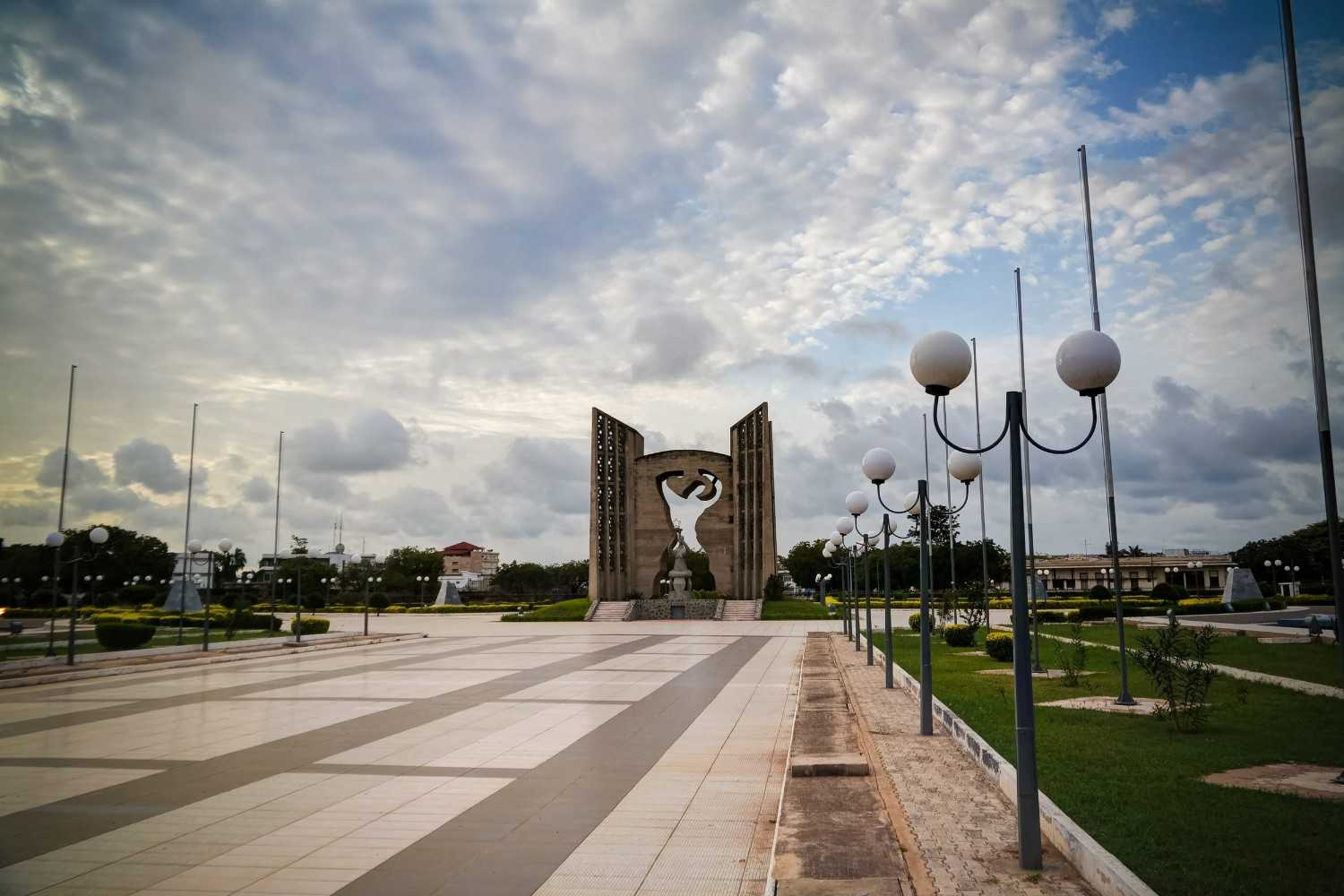
Independence Monument
Symbol of national identity
An important commemorative monument celebrating Togo's journey to independence, surrounded by government buildings and cultural institutions.
Significance:
- National independence commemoration
- Political and cultural centre
- Government buildings and institutions
- Public spaces and events
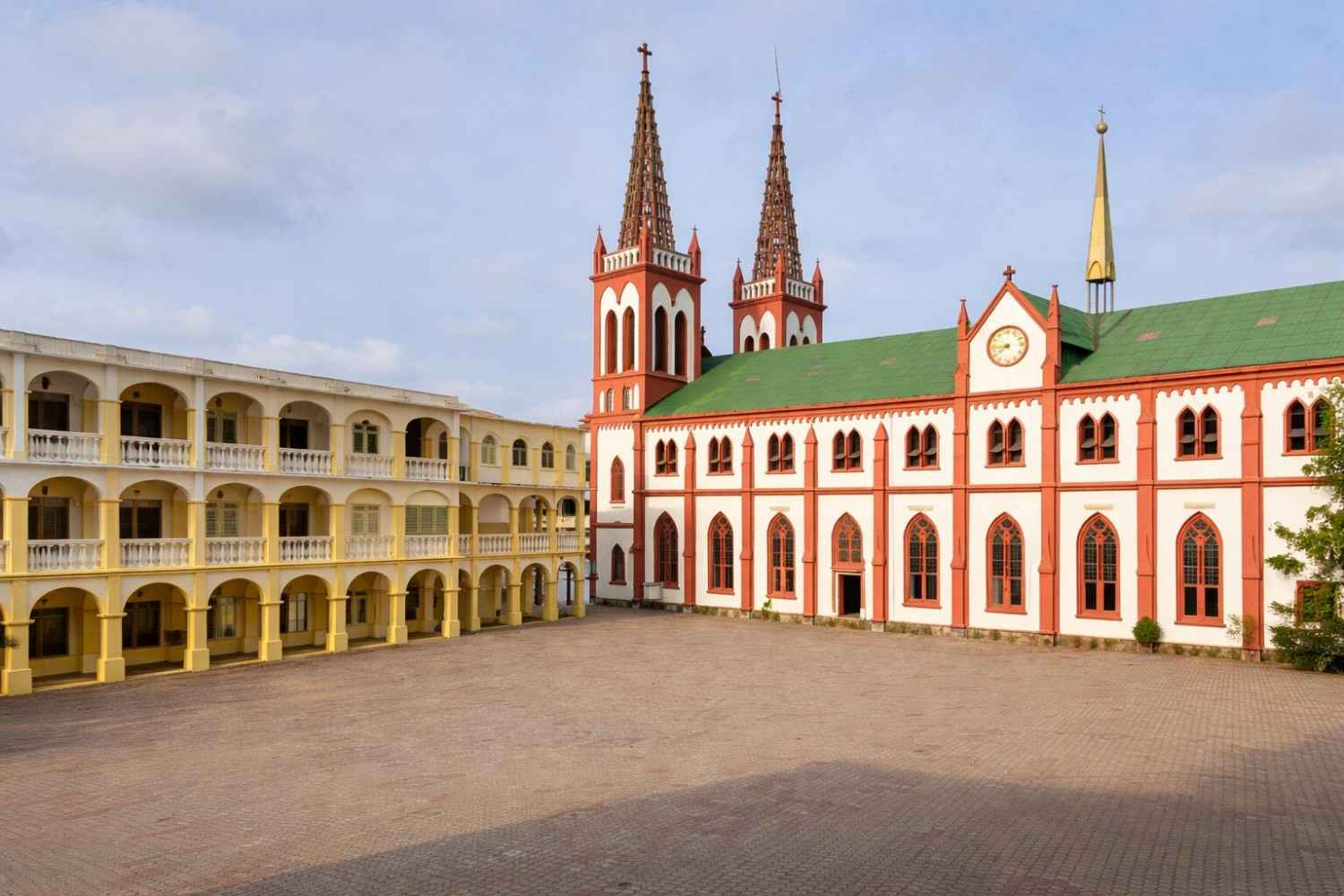
Colonial Architecture
Historical buildings
Well-preserved colonial-era buildings throughout Lomé showcase the city's architectural heritage and provide insights into its historical development.
Features:
- German colonial architecture
- French colonial influences
- Historical preservation efforts
- Architectural walking tours
Planning Your Visit
- Best Time November to March for dry weather and optimal wildlife viewing in national parks.
- Transportation Organised tours recommended for Koutammakou and national parks. Local transport available in Lomé.
- Accommodation Range from budget guesthouses to luxury hotels in Lomé. Eco-lodges are available near national parks.
- Guided Tours Local guides enhance cultural experiences and provide access to traditional communities and wildlife areas.